
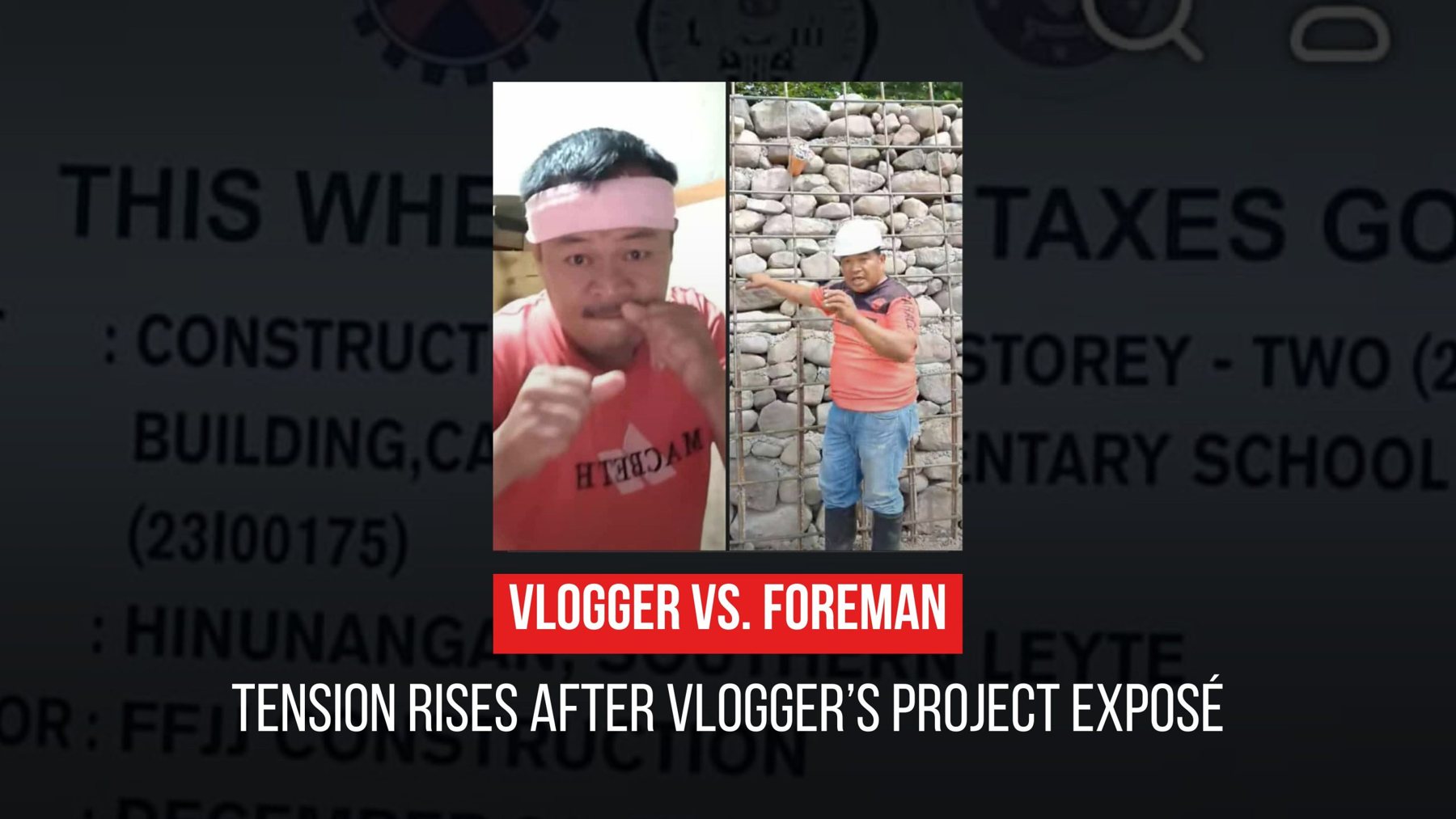
In Barangay Catublian, Hinunangan, Southern Leyte, a viral live video has turned a quiet construction site into a local headline. A classroom meant to serve students in the area is now unfinished months after its supposed completion date, drawing questions from the public and an unexpected reaction from a man who took the criticism personally.
The Video That Started It All
Local content creator Pedro Buctot, better known as Waling Vlog, recently streamed a live video showing an unfinished classroom project. Behind him stood a large sign that read,
“This is where your taxes go.”
According to the posted details, the project began on December 21, 2023 and was expected to be completed by February 18, 2024. But as seen in the video, the building remains incomplete, with piles of cement, hollow blocks, and sacks of materials still scattered around the site.
The vlogger raised what seemed like a reasonable question: If the project was due months ago, why does it still look abandoned? He then mentioned Congressman Coco Yap, asking for clarification on the project’s delay.
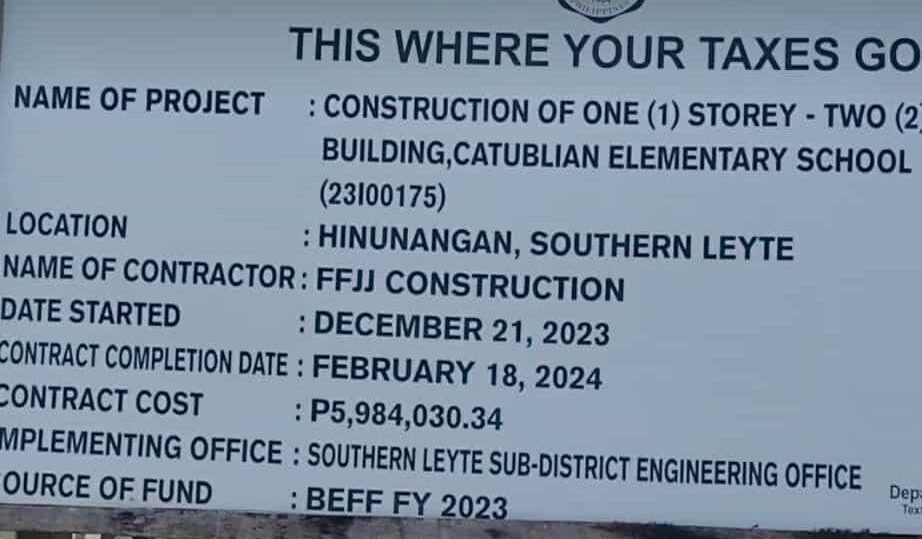 Captured by Waling Vlog Pedro Buctot
The Unexpected Reaction
Shortly after the video circulated online, a man identified by viewers as a construction foreman allegedly connected to one of Congressman Yap’s projects posted a reaction video.
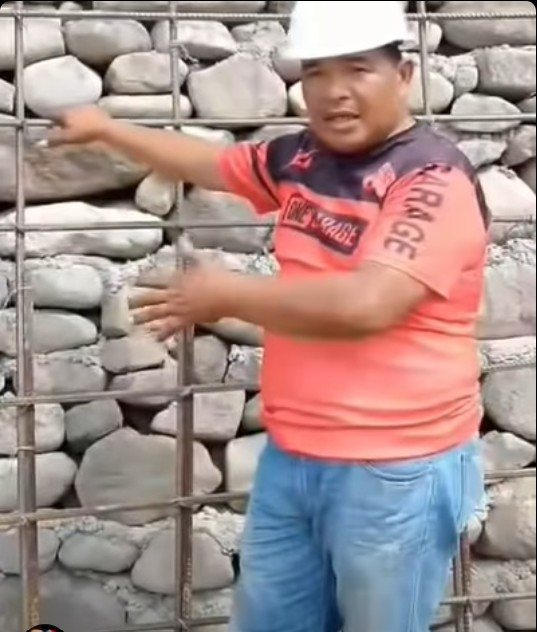 Screenshot from a video taken by Rene Villamor Panganoro.
Instead of clarifying the situation, the foreman expressed anger, saying that the vlogger “knew nothing about construction” and had no right to question the work. His response then escalated into a challenge:
“Ug gusto ka magkita ta, bisag asang dapita sumbagay ta.”
(“If you want to meet, anywhere, we’ll fight it out.”)
The line, now widely quoted online, surprised many. After all, the vlogger’s concern wasn’t directed at the construction crew. The issue was about accountability — who approved, monitored, and ensured the completion of the project.
Why the Reaction Matters
The foreman’s response reflects more than just frustration. In communities where public projects are often delayed, criticism tends to land unevenly. Workers on the ground may feel blamed for problems decided higher up — tight budgets, political timelines, or slow fund releases.
In this sense, his reaction captures something real: how public outrage, even when valid, can sometimes fall on the wrong shoulders.
Yet, it also raises another question: if those closest to the project feel this defensive, what does that say about transparency within the system itself?
The Contractor and the Larger Context
The project signage names FFJJ Construction as the contractor. So far, there are no verified reports linking the company to other irregularities or ghost projects. Still, the public’s attention to the unfinished site adds to a growing national conversation about project accountability.
Across the Philippines, ghost projects — government-funded works that are declared complete but remain unfinished or nonexistent — continue to emerge. The Commission on Audit (COA) and the Department of Public Works and Highways (DPWH) have flagged several such cases, including flood-control and infrastructure projects declared “100 percent done” despite physical deficiencies.
The Hinunangan classroom may not be a billion-peso project, but its situation mirrors the same concern: are public works being delivered as promised?
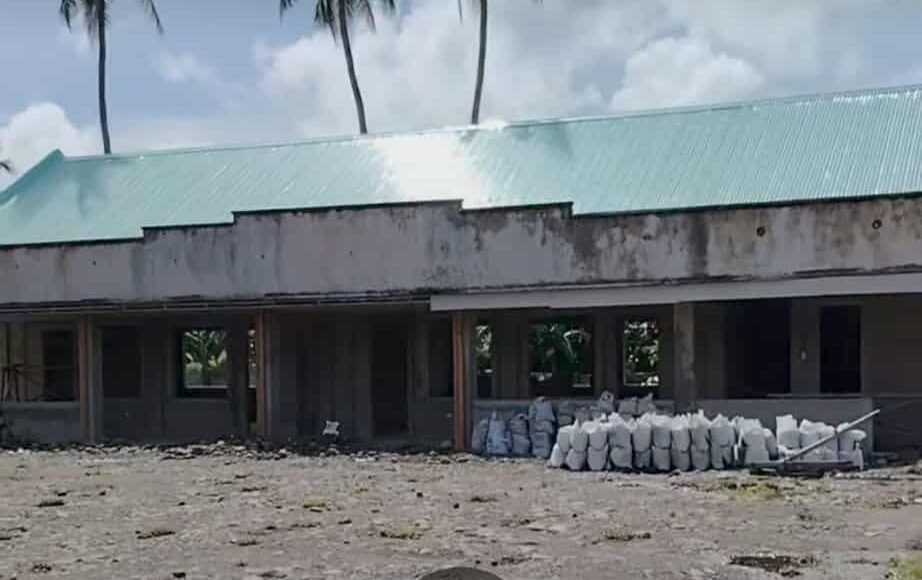 Catublian Elementary School's unfinished classroom. Photo taken by Waling Vlog Pedro Buctot.
Beyond Blame and Viral Videos
The debate has now moved beyond the unfinished walls of Catublian Elementary School. Some netizens side with the vlogger, saying citizens have every right to question how taxes are spent. Others sympathize with the foreman, arguing that online exposure can unfairly put pressure on ordinary workers.
The reaction video also sparked a wave of humorous comments online. Some users created funny graphics and memes, while others joked about looking forward to an actual “boxing match” between the two. It was a moment that felt both lighthearted and deeply Filipino — finding humor even in civic tension.
Both sides touch on something true. The need for accountability should not come at the cost of dignity. And those responsible for oversight, not just the builders but also the implementers and fund custodians, should provide clear, factual updates when public funds are involved.
What the Public Deserves to Know
Was there an official delay or extension granted for the project?
Has the local government or COA inspected the site?
Is there transparency regarding fund utilization and progress reports?
These are not accusations but legitimate civic questions.
A Sign and a Symbol
The project’s billboard, standing just outside the school, boldly states: “This is where your taxes go.” It was likely meant as a message of pride and transparency. Today, it reads differently — more as a question than a declaration.
Until the project is completed and explanations are made public, the unfinished classroom in Hinunangan remains a symbol of both hope and frustration. It reminds citizens to keep asking, keep watching, and keep holding systems accountable — calmly, fairly, and persistently.
Back to all stories
Comments
Loading comments…