
 Photo Credit: Sun Star Cebu
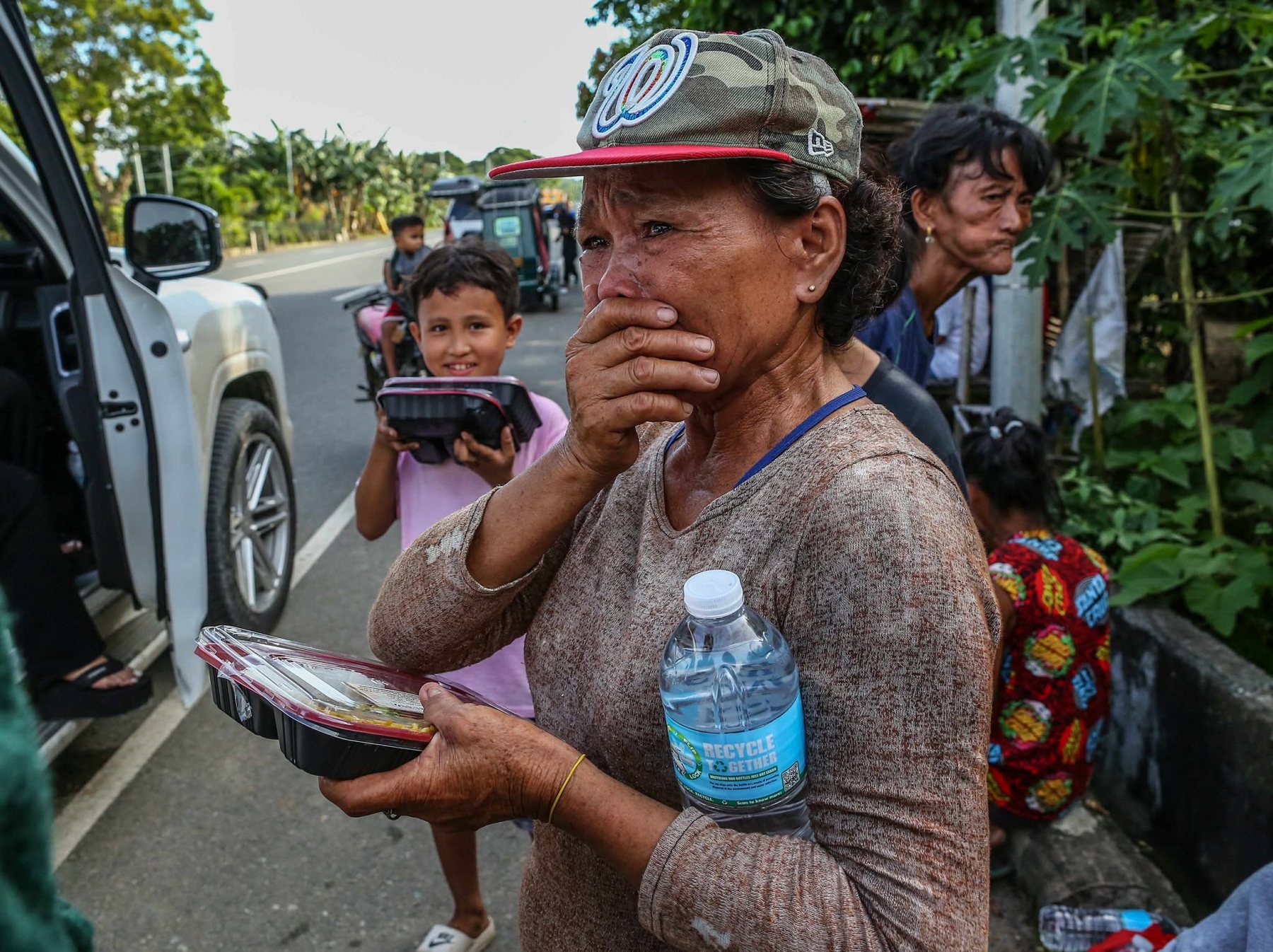
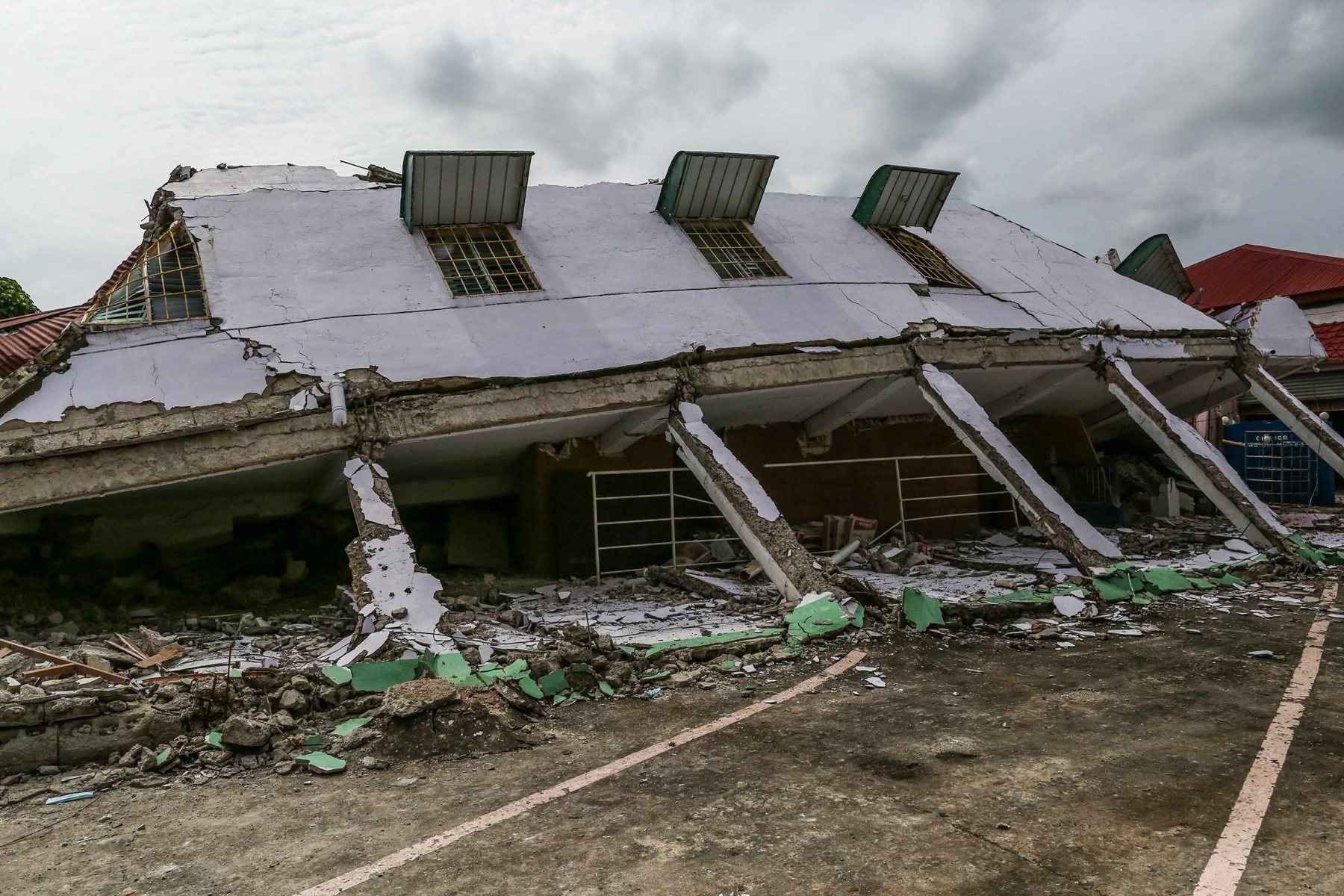
On the night of September 30, 2025, a powerful magnitude 6.9 earthquake struck off the northern coast of Cebu, shaking towns like Bogo, San Remigio, Tabuelan, and Daanbantayan. The disaster has claimed dozens of lives, injured hundreds, and displaced thousands. Homes, hospitals, churches, and roads were damaged, leaving communities struggling to recover.
Amid the destruction, a familiar Filipino tradition has resurfaced in full force: bayanihan. This spirit of communal helping and solidarity is lighting the path forward for many survivors.
What Happened: The Earthquake and Its Impact
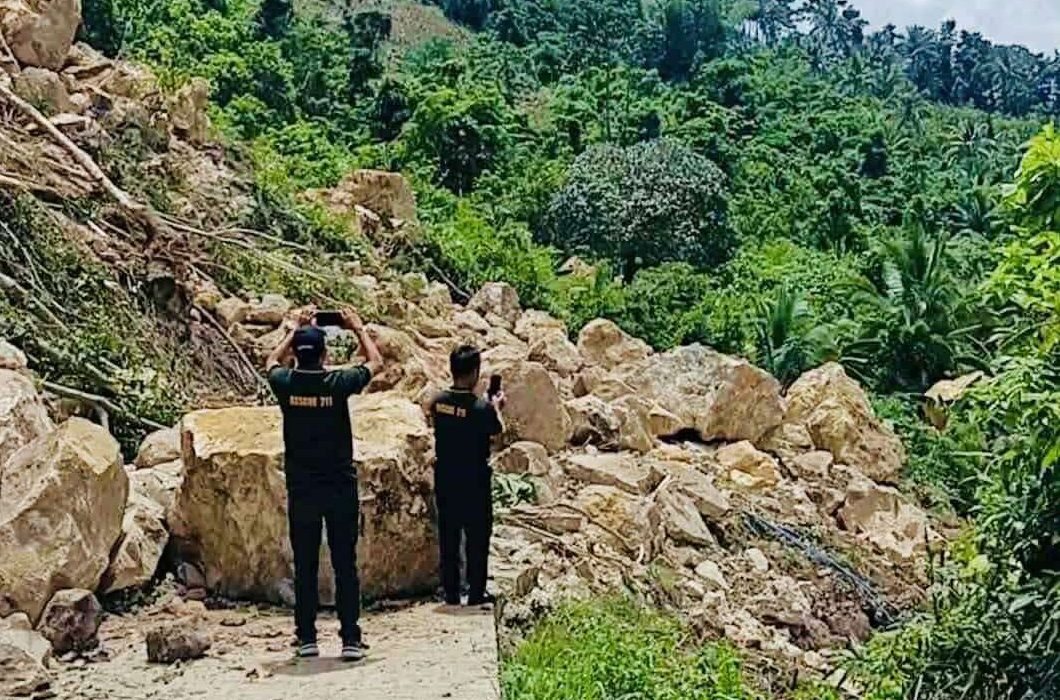 Photo Credit: Sun Star Cebu
The Quake in Numbers
The earthquake occurred at 9:59 PM (PST) on September 30, 2025.
Magnitude was recorded at 6.9 on the moment magnitude scale.
Hypocenter depth was only 5 km, which made the quake especially destructive.
Over 3,000 aftershocks have been recorded in the days following the main event.
Because of its shallow depth and nighttime timing, the earthquake was devastating. Many people were caught asleep and unable to react quickly.
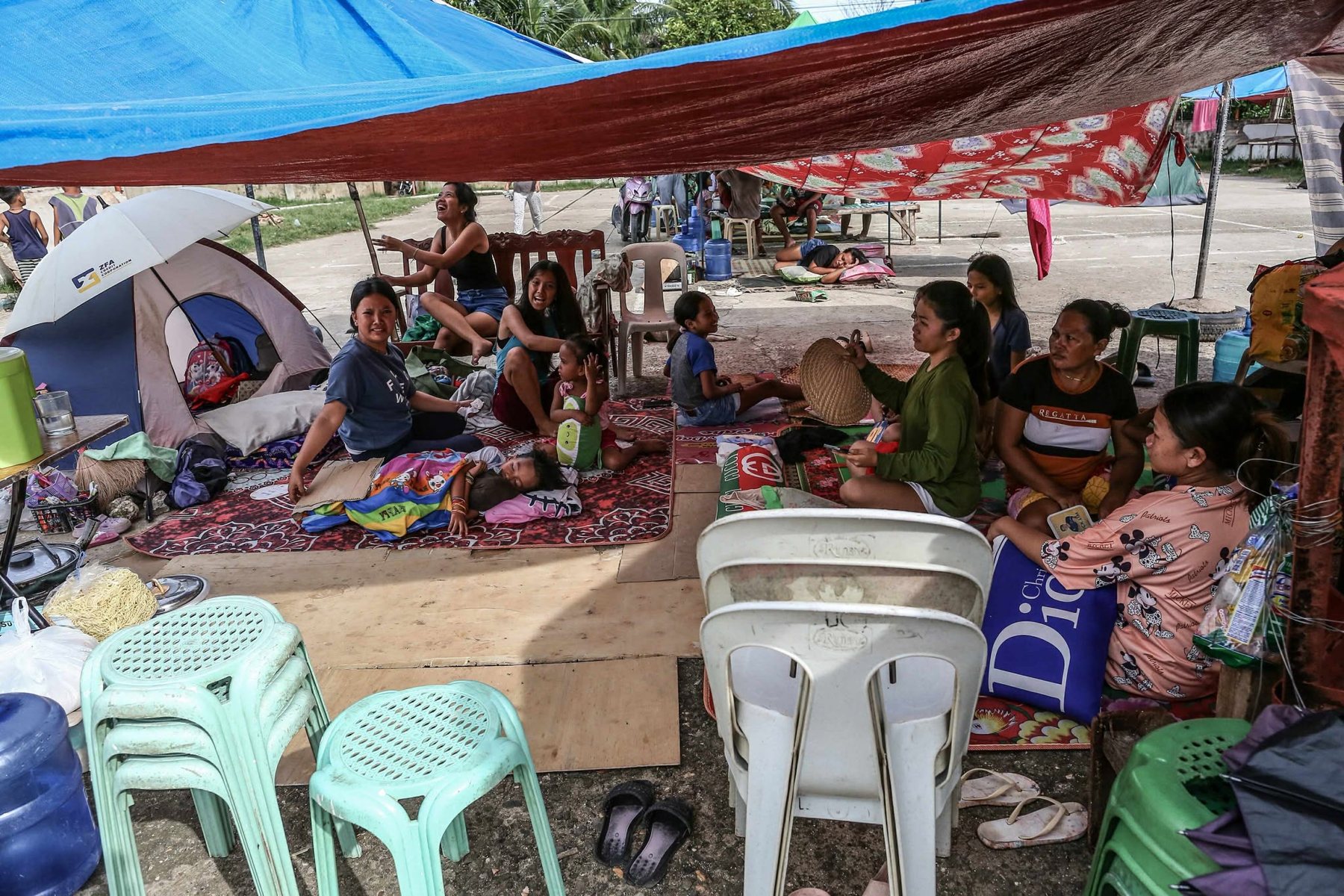 Photo credit: Sun Star Cebu
Human Cost and Damage
Confirmed death toll: 72 people.
Hundreds injured and more than 170,000 people affected.
More than 500 houses destroyed or damaged.
A historic church in Daanbantayan partially collapsed.
Hospitals were overwhelmed, with some patients treated outdoors due to aftershock fears.
Power outages and communications breakdowns complicated rescue and relief work.
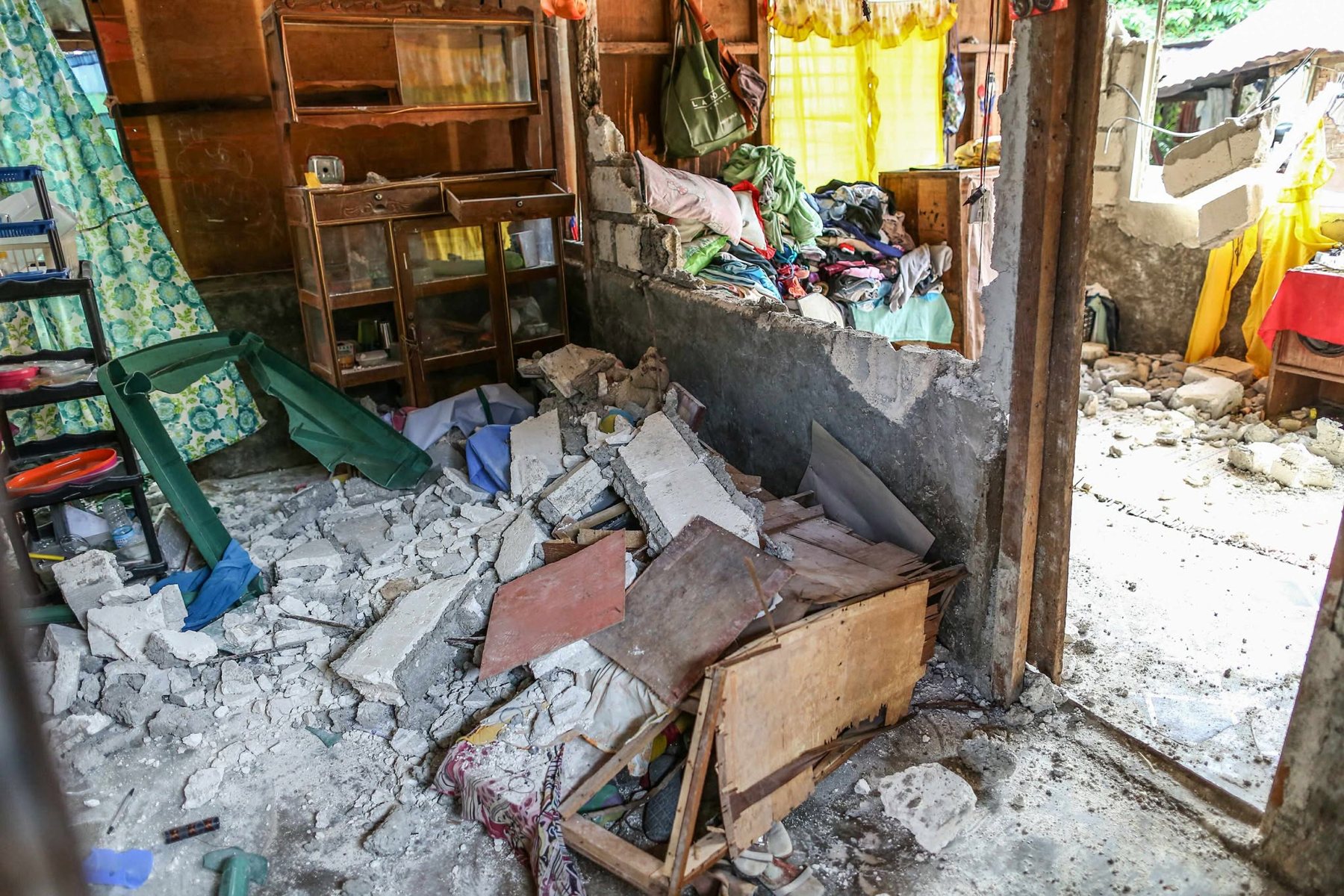 Photo Credit: Sun Star Cebu
The Filipino Bayanihan at Work
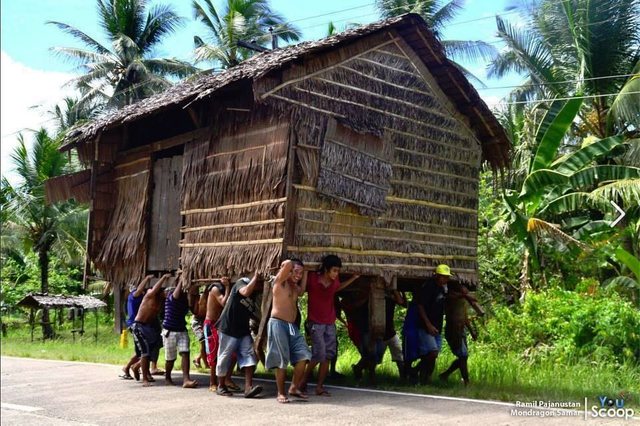
The concept of bayanihan, where neighbors, friends, institutions, and even strangers band together to help, has never been more alive than in Cebu today.
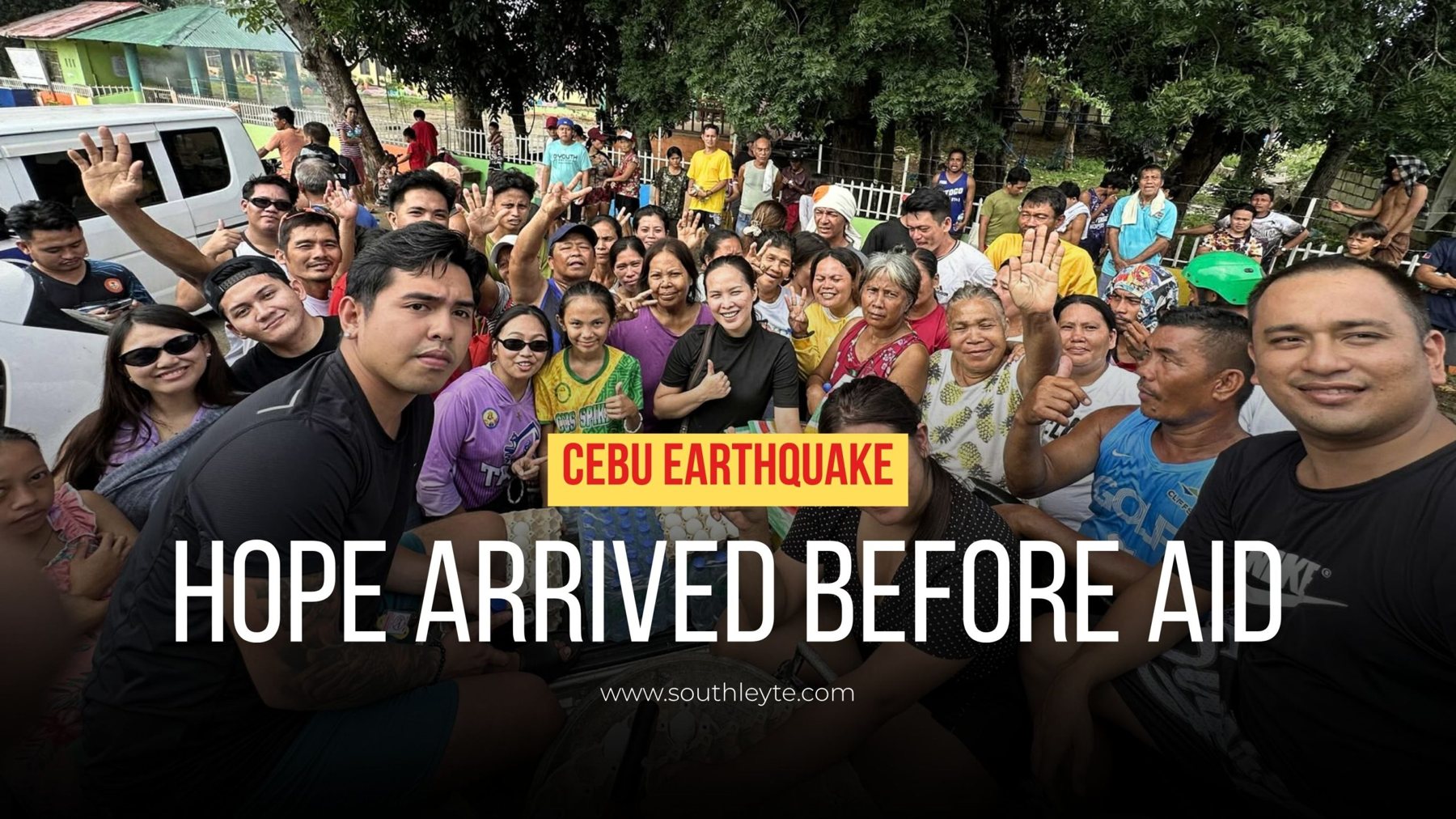
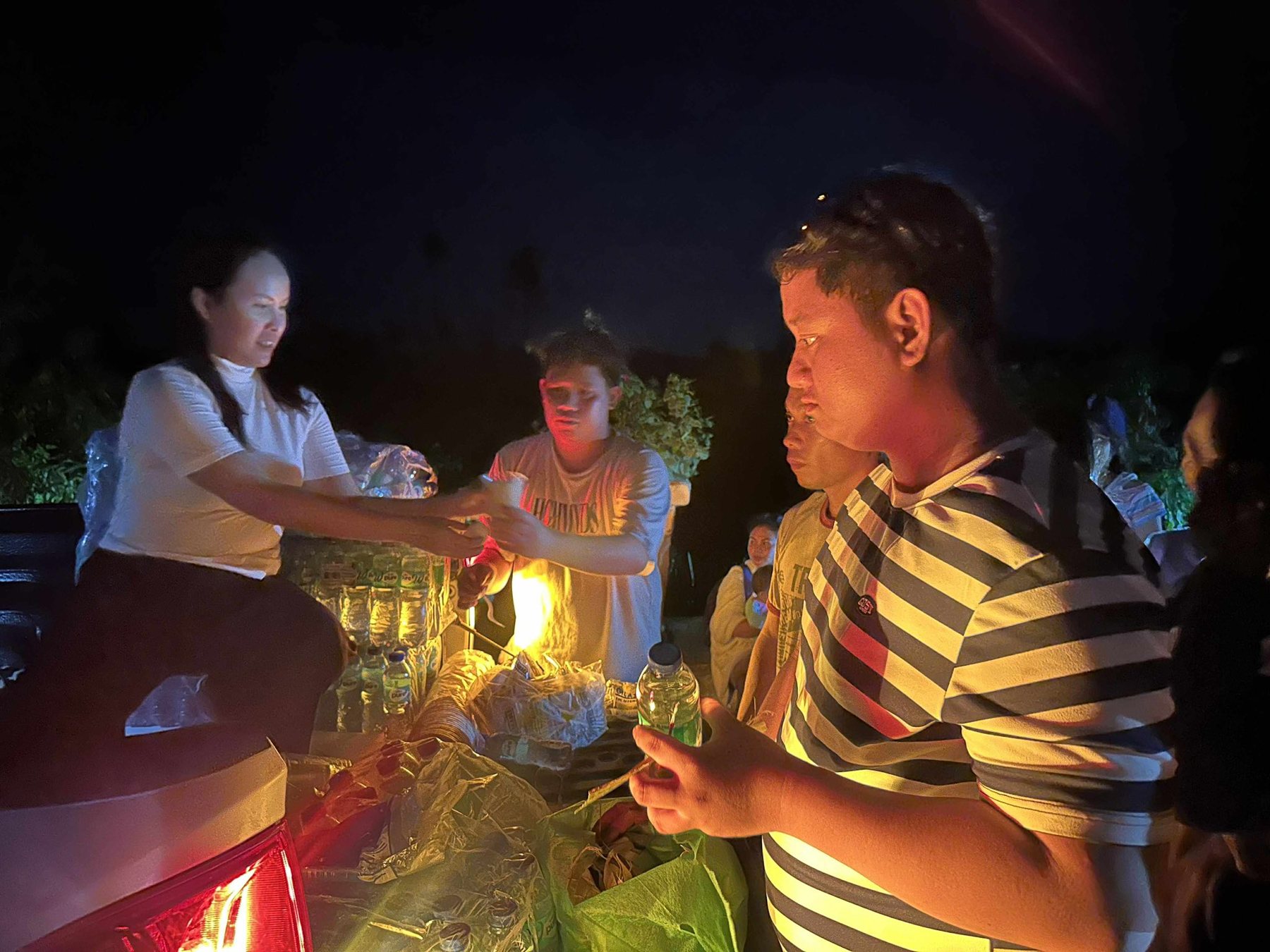 Doctors, lawyers, nurses, artists, and everyday heroes, reached remote areas that had no help at all. Photo Credit: Flora Mae and Thea Verona
Local Volunteer Mobilization
At the Cebu Provincial Capitol, volunteers are packing relief goods, coordinating medical teams, and mobilizing transport for hard-to-reach areas.
Grassroots donation drives are active across social media, with families and local groups pooling resources to support those affected.
Real Stories of Bayanihan
One inspiring example comes from sisters Flora Mae and Verona of Cebu City. On her Facebook page, Flora Mae wrote:
"By God’s plan, my sister and her group of friends — doctors, lawyers, nurses, artists, and everyday heroes — reached remote areas that had no help at all."
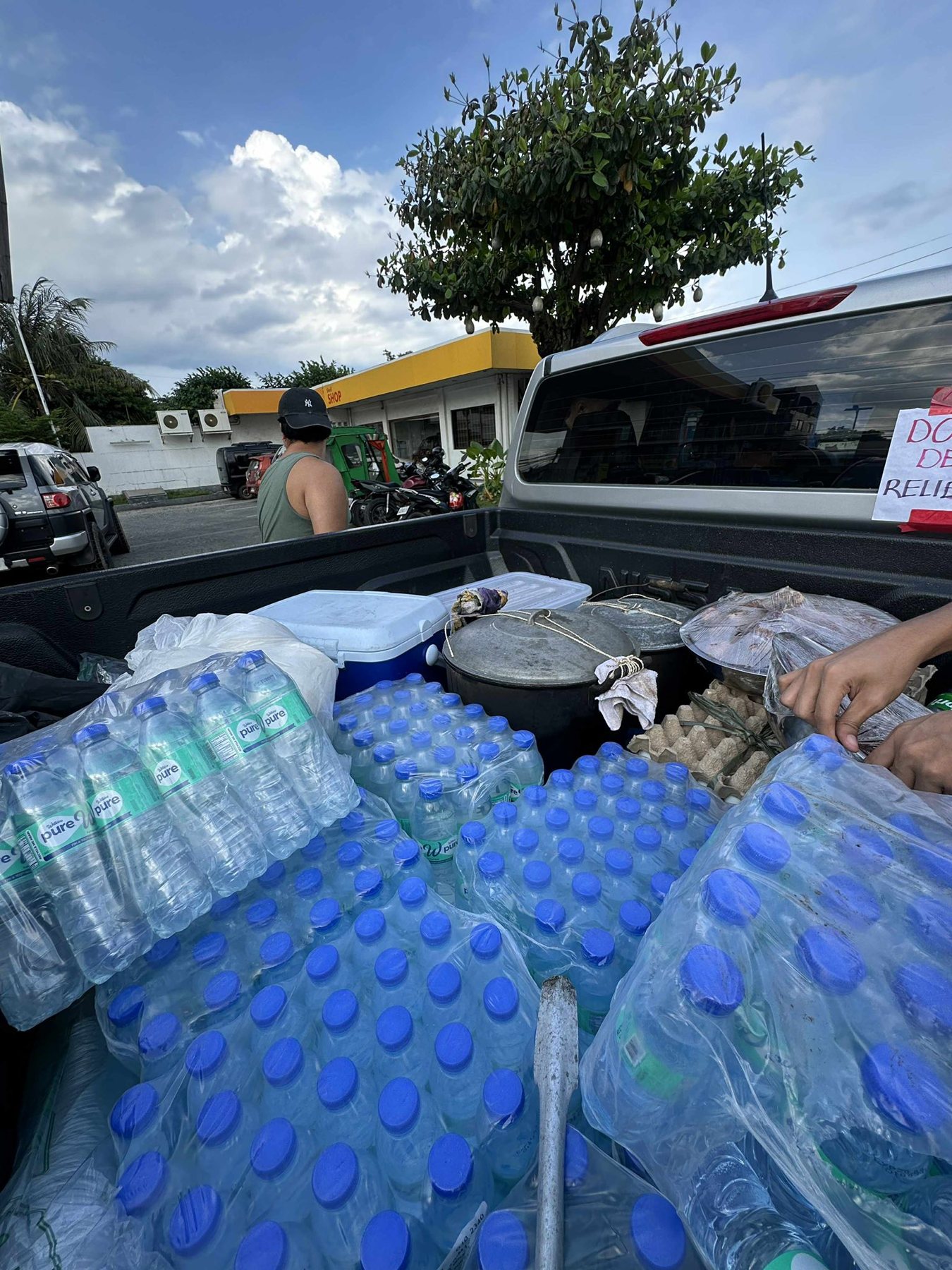 The sisters gathered their circles of friends and drove north, bringing relief to families who had been overlooked in the initial response. These families may not have been relatives or even people they knew, but they helped as if they were their own.
This is only one of many stories showing how ordinary Filipinos have become extraordinary lifelines during this crisis.
How People Are Helping
Essentials: food packs, clean water, medicines, blankets, hygiene kits.
Logistics: trucks, boats, fuel, and manpower for distribution.
Professional support: volunteer doctors, nurses, and counselors.
Shelter: tents, tarps, and safe spaces for displaced families.
Infrastructure assistance: clearing debris and restoring access roads.
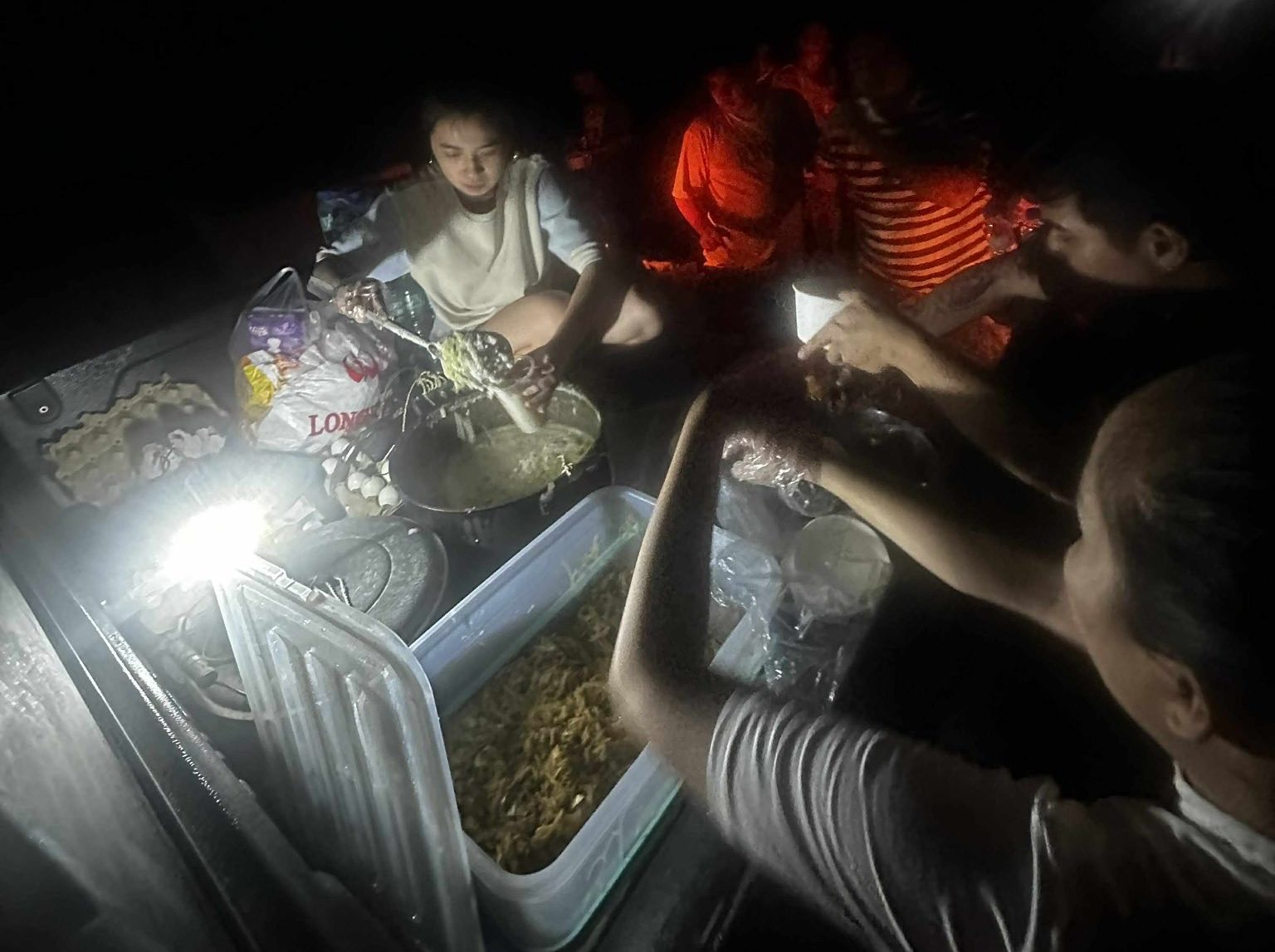 Courtesy: Flora Mae and Thea Verona
Challenges and Gaps in Relief
Despite the bayanihan spirit, challenges remain:
Roads and bridges in northern Cebu have been damaged, slowing relief efforts.
Aftershocks continue to threaten rescuers and survivors.
Limited resources stretch medical teams and relief operations.
Communication lines are unreliable in several municipalities.
Long-term needs such as rebuilding homes and addressing trauma will extend beyond the immediate crisis.
How You Can Help
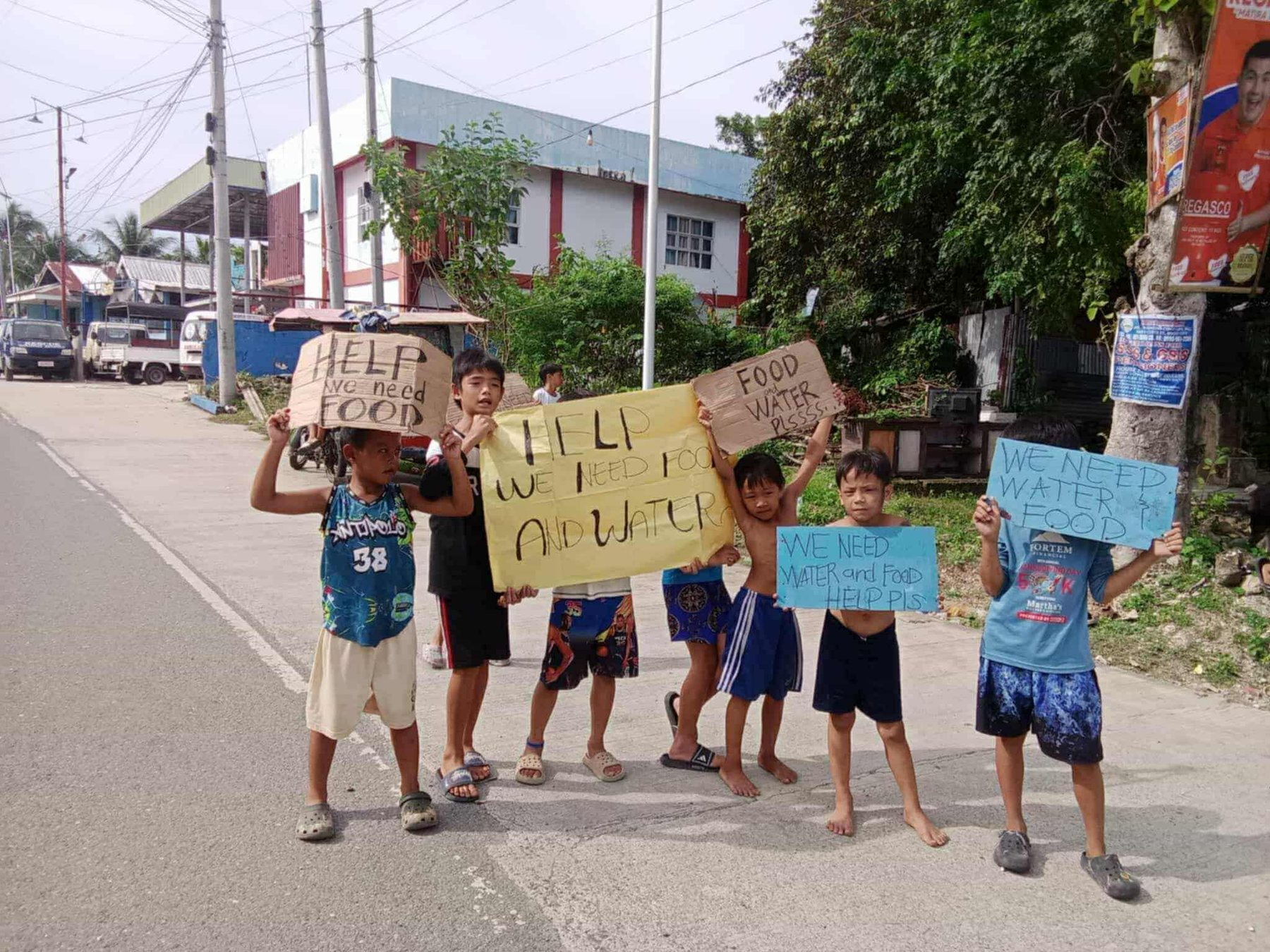
Donate to trusted organizations such as the GMA Kapuso Foundation, University of San Carlos donation drives, or the PCSO relief operations.
Spread verified information by sharing donation links or needs lists from credible sources.
Volunteer locally by offering manpower, transport, medical skills, or counseling.
Raise awareness by using your networks to highlight real stories and current needs.
Support long-term recovery by advocating for safer structures, livelihood support, and mental health services.
Reflecting on Bayanihan and Resilience
What makes the Filipino spirit unique is that bayanihan is not just a reaction. It is part of cultural identity. In times of calamity, neighbors help neighbors, communities form human chains to pass supplies, and strangers treat each other as family.
The Cebu earthquake is painful, but it is also revealing. It shows how communities can rally even when their foundations tremble. The strength is not only in concrete and beams, but in hearts that refuse to break.
Conclusion
The Cebu earthquake of 2025 is a reminder of how vulnerable the Philippines is to natural disasters. Yet it also highlights the resilience and unity of Filipinos through bayanihan. As the province moves from relief to recovery, long-term resilience must be a priority. Rebuilding homes, restoring livelihoods, and caring for mental health will be as important as repairing walls and roads.
The tragedy is real, but so is the hope. And that hope is built on bayanihan.
Back to all stories
Comments
Loading comments…